
Exploring the Majestic Lempuyang Temple: A Cultural and Spiritual Jewel of Bali
Lempuyang Temple, known locally as Pura Lempuyang Luhur, stands as one of Bali’s most revered spiritual and cultural landmarks. Nestled amidst the lush greenery of the northeastern region of the island
This temple complex is a significant site for both locals and visitors, who regard it as a pivotal part of Balinese Hinduism.
The temple’s history traces back to the 11th century, establishing it not only as a site of worship but also as a cornerstone of Balinese heritage and tradition.
The temple’s allure is accentuated by its spectacular location at the peak of Lempuyang Mountain, offering breathtaking views of Mount Agung and the surrounding landscapes.
This has led to its reputation as “heaven’s gate,” attracting many travelers eager to capture the stunning vistas and experience the serene atmosphere.
Lempuyang Temple is considered one of Bali’s nine directional temples—these sacred sites are believed to protect the island from negative forces and ensure harmony among its inhabitants.
Locals and pilgrims arrive at Lempuyang Temple to engage in spiritual practices, rituals, and ceremonies that hold deep significance in Balinese culture. The temple is not just a point of interest; it serves as a vital spiritual hub where people gather for worship, reflection, and cultural expression.
The architecture of Lempuyang Temple adds to its charm, featuring intricate stone carvings and traditional Balinese design elements that reflect the island’s rich artistic heritage.
As visitors prepare to explore the majestic Lempuyang Temple, they are invited to immersion into a blend of natural beauty, culture, and spirituality that defines this remarkable site.
The subsequent sections will delve deeper into the temple’s features, historical significance, and its role in the lives of those who cherish its sanctity.
Lempuyang Temple Entrance Fee
As of 2025, visitors are required to pay an entrance fee of IDR 55,000 per person (around $3.50 USD). This fee helps maintain the temple complex and supports the local community.
The ticket includes access to the main temple area, but if you want to explore the entire Lempuyang Temple complex, you may need additional guide cost or hiking arrangements.
Shuttle Service and Additional Fees
To reduce traffic congestion and preserve the natural environment, visitors must take a shuttle bus from the designated parking area to the temple entrance.
The shuttle fee is around IDR 50,000 per person ($3 USD) for a round trip. This service ensures a smoother and more orderly flow of tourists.
Optional Guide Fee
Hiring a local guide is not mandatory, but is highly recommended for those who want to better understand the history and cultural significance of the temple.
Guides typically charge between IDR 100,000 – 200,000 ($6 – $13 USD) depending on the duration and level of service.
Historical Background
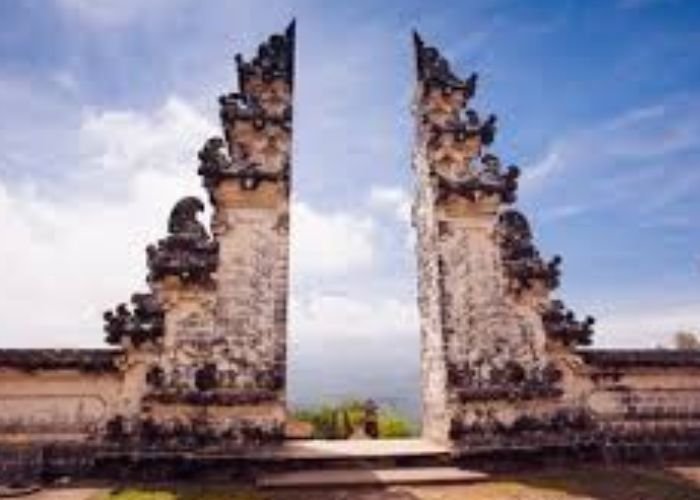
Lempuyang Temple, affectionately known as Pura Lempuyang Luhur, stands as a remarkable testament to the rich cultural and spiritual heritage of Bali.
Its origins trace back to the early 10th century, making it one of the oldest temple complexes on the island. Built during the reign of the ancient Balinese kingdom, this temple was established by the revered sage Rsi Lempuyang, who is credited with spiritualizing the region.
The temple was dedicated to the worship of the Hindu god Shiva and has since become a significant pilgrimage site for devotees from across the island and beyond.
Throughout its storied history, Lempuyang Temple has played a pivotal role in shaping Balinese Hinduism. Its prominence surged during the Majapahit era in the 14th century, when Hinduism was revitalized in Bali as a formidable force, deeply intertwining with local culture and traditions.
The temple’s architecture is a spectacular representation of Balinese artistry, with intricately carved gates and shrines, reflecting the island’s unique religious architecture. Each element of the temple is imbued with symbolism, signifying various aspects of Hindu beliefs.
Various legends envelop Lempuyang Temple, enriching its significance. One such legend recounts the tale of a battle between good and evil, wherein the temple is said to serve as a spiritual link between the human realm and the heavens.
This narrative not only highlights the temple’s role in Balinese mythology but also emphasizes its function as a place for cosmic connection.
Over the centuries, the temple has witnessed numerous renovations and expansions, adapting to the evolving spiritual landscape while maintaining its original essence.
The majesty of Lempuyang Temple continues to captivate visitors and pilgrims alike, serving as a beacon of faith and cultural identity in Bali.
The Architectural Wonders
Lempuyang Temple stands as a captivating representation of traditional Balinese architecture, characterized by its intricate design and harmonious integration with the surrounding natural landscape.
One of the temple’s most notable features is its series of elaborate gates, which serve not only as an entrance but also as a symbolic passage between the earthly realm and the divine.
The main gate, known as Pura Lempuyang Luhur, is particularly striking, with its tiered structure and detailed carvings that depict various mythological figures and natural elements from Balinese culture.
The layout of the temple complex is meticulously planned, consisting of multiple shrines positioned along a steep hill that rises majestically into the sky.
This elevation not only enhances the spiritual experience for visitors but also provides breathtaking views over the surrounding landscapes, including lush forests and distant coastlines.
As worshipers and tourists ascend towards various shrines, they encounter a series of smaller temples, each adorned with unique architectural features that reflect the artistry and devotion of the Balinese people.
Furthermore, the use of local materials such as stone and wood in the construction of the temple enhances its ability to blend seamlessly with the environment.
Each shrine showcases exquisite details, including ornate stone carvings, traditional thatched roofs, and vibrant offerings, which further contribute to the visual splendor of the Lempuyang Temple.
The integration of the temple with its natural surroundings exemplifies the Balinese philosophy of “Tri Hita Karana,” which seeks to establish harmony between humans, nature, and the spiritual realm.
Through its thoughtful design and architectural brilliance, Lempuyang Temple not only serves as a vital spiritual site for the Balinese community but also as an architectural wonder that draws visitors from around the globe, eager to experience its cultural significance and breathtaking beauty.
The Breathtaking Location
Lempuyang Temple, recognized for its cultural significance and spiritual aura, is situated on the slopes of Mount Lempuyang, approximately 1,000 meters above sea level.
This strategic elevation not only enhances its spiritual appeal but also offers breathtaking panoramas of the picturesque landscape that surrounds it.
From the temple grounds, visitors are greeted by sweeping views of lush jungles, serene rice terraces, and vibrant flora, all contributing to an enchanting atmosphere conducive to reflection and meditation.
One of the most striking features visible from the temple is Mount Agung, Bali’s highest peak and a sacred site for many Balinese Hindus.
Standing majestically in the distance, this volcano provides a stunning backdrop to the temple and serves as a reminder of the natural beauty that characterizes the island.
The location of Lempuyang Temple allows for an engaging experience where visitors can appreciate both cultural history and natural splendor in one setting.
The combination of the temple’s ancient architecture and the breathtaking scenery encourages photography enthusiasts to capture its essence, often resulting in unforgettable images that portray the harmonious relationship between spirituality and nature.
The elevation of Lempuyang Temple creates an atmosphere that is often described as serene and tranquil, offering visitors a perfect spot for contemplation.
Many come to this revered site not only to explore its historical significance but also to partake in the spiritual experience of witnessing the sun rise over the magnificent landscape, illuminating the temple and highlighting its ethereal beauty.
This unique geographical setting makes Lempuyang Temple a must-visit destination for anyone seeking to experience Bali’s sacred heritage amidst an awe-inspiring natural environment.
Cultural Significance and Rituals
The Lempuyang Temple, known locally as Pura Luhur Lempuyang, holds a profound cultural significance in the religious landscape of Bali.
Situated at the summit of Mount Lempuyang, this ancient temple is not only an architectural marvel but also a vital spiritual site for the Balinese Hindu community.
Rituals and ceremonies conducted at the temple are deeply intertwined with the local customs, embodying a rich tapestry of Balinese culture.
One of the most notable aspects of Lempuyang Temple is its role in various ceremonies that celebrate the connection between the community and the divine.
Pilgrimages to the temple are a common practice for locals, especially during significant religious observances such as the Galungan and Kuningan festivals.
During these times, devotees ascend the mountain to offer prayers and partake in rituals that seek blessings and guidance from the deities.
The temple is regarded as a site of purification, where offerings, incense, and prayers are meticulously arranged, reflecting the deep reverence the Balinese hold for their spiritual heritage.
In addition to its function during major festivals, Lempuyang Temple serves as a crucial venue for community gatherings and important life events, such as weddings and cremation ceremonies.
These occasions foster a sense of unity among the villagers, as they come together to celebrate or mourn collectively.
The temple’s significance is further emphasized by its symbolic architecture, with the iconic gate, often referred to as the “Gateway to Heaven,” symbolizing the passage between the earthly realm and the spiritual world.
Thus, the Lempuyang Temple transcends its role as a tourist destination; it is a vital part of the community’s spiritual and cultural fabric, reflecting the ongoing traditions and beliefs of the Balinese people.
The rituals practiced here not only preserve the cultural identity of the locals but also strengthen their communal bonds, making Lempuyang Temple a pivotal symbol of Balinese spirituality and heritage.
The Pilgrimage Experience

The Lempuyang Temple, known locally as Pura Lempuyang Luhur, serves as one of the most revered pilgrimage sites in Bali. Nestled on the slopes of Mount Lempuyang, the temple offers not only a spiritual experience but also a visual journey that begins long before reaching its sacred grounds.
Pilgrims and tourists alike often begin their pilgrimage by embarking on a trek that typically spans around 1,700 steps through lush tropical landscapes.
The path is dotted with lush greenery, ancient trees, and mesmerizing views of the surrounding valleys, which contribute to the sense of tranquility during the ascent.
As pilgrims ascend, they experience a gradual transition from the mundane to the spiritually uplifting. Each step taken towards the temple feels significant, reminding visitors of the connection between the physical journey and the spiritual awakening that occurs upon arriving at this sacred site.
The air is thick with an atmosphere of devotion, as worshippers engage in prayer and offerings, both before and upon arrival at the temple complex.
This sense of community is palpable, with groups of individuals sharing their intentions and hopes, fostering a collective consciousness of spirituality.
The temple itself is renowned for its enchanting gates, which serve as an iconic backdrop for countless photographs, enthralling visitors with dynamic views of the surrounding landscape and the majestic Mount Agung in the distance.
Many pilgrims recount their feelings of reverence and spiritual connection, often describing an overwhelming sense of peace enveloping them as they approach the temple’s threshold.
The experience at Lempuyang Temple is not merely physical; it embodies a spiritual pilgrimage that cultivates reflections on faith, community, and the breathtaking natural beauty that surrounds this Bali gem. Each visit is a unique experience, awakening one’s spirit in a profound, unforgettable manner.
Visitor Information and Tips
Visiting Lempuyang Temple offers a unique opportunity to delve into Bali’s rich cultural and spiritual heritage. To ensure a pleasant experience, it is advisable to plan your visit strategically.
The best time to explore the temple complex is during the early morning hours, preferably between 7:00 AM and 9:00 AM.
This timeframe not only allows visitors to avoid the peak crowds but also offers a cooler climate and spectacular views of Mount Agung in the background, creating an unforgettable photo opportunity.
When it comes to attire, it is essential to dress appropriately out of respect for the temple’s sacred atmosphere. Visitors are required to wear a sarong and a sash, both of which can often be rented or purchased at the entrance.
This dress code is important as it reflects the local customs and spiritual significance of the temple grounds. Comfortable footwear is also recommended, as the temple consists of numerous stairs and pathways that lead to various shrines.
An entrance fee is typically applicable, contributing to the temple’s maintenance and preservation. It is advisable to check the latest fee structure before visiting, as they may change depending on the season or for special ceremonies.
Additionally, visitors should be mindful of the local customs. For instance, refraining from taking photographs during prayer ceremonies and always asking permission before photographing individuals is considered respectful.
Moreover, interaction with local communities can enrich your experience. Engaging in conversations and understanding their customs can provide insights into the significance of the temple and the surrounding area.
By respecting these local customs and practices, you not only enhance your visit to Lempuyang Temple but also contribute to the preservation of Bali’s cultural integrity.
Photography Opportunities
For photography enthusiasts, Lempuyang Temple presents a myriad of spectacular opportunities to capture breathtaking images, thanks to its stunning architecture and breathtaking landscapes.
The temple is renowned for its iconic “Gateway to Heaven,” a pair of intricately carved stone gates that frame Mount Agung in the background.
This exceptional vantage point is an excellent location for sunrise shots, where early risers can witness the serene beauty of light breaking over the landscape.
The golden hour provides unique lighting conditions, ideal for creating dramatic and ethereal photos that capture the temple’s spiritual essence. In addition to the gateway, the temple complex itself offers numerous angles to explore.
The tiered design of the various shrines within the temple grounds, adorned with traditional Balinese decorations, provides rich texture for detailed close-up shots.
Photographers are encouraged to stroll through the area, as each turn may reveal a new perspective — from the vibrant colors of offerings to the surrounding lush greenery that enhances the serene ambiance.
However, while capturing the temple’s beauty, it is vital to practice responsible photography. Visitors should respect the cultural significance of Lempuyang Temple, ensuring that the sanctity of the site remains intact.
This includes being mindful of the locals, taking care not to intrude on ceremonies or traditional practices. Travel photographers should always ask for permission before photographing individuals and avoid using flash in sensitive areas.
Furthermore, maintaining the cleanliness of the surroundings is crucial; photographers must carry their trash and ensure they leave the site as beautiful as they found it.
Ultimately, Lempuyang Temple offers an extraordinary backdrop for both amateur and professional photographers. With a little respect and mindfulness, capturing these breathtaking moments can be a rewarding experience that contributes to the preservation of Bali’s cultural heritage.
Conclusion: Why Lempuyang Temple is a Must-Visit
In the enchanting landscape of Bali, Lempuyang Temple stands as a true testament to the island’s rich cultural heritage and spiritual significance.
This remarkable site, with its stunning architecture and breathtaking surroundings, offers visitors an unforgettable experience that transcends mere sightseeing.
The temple’s historical relevance and the spiritual practices observed there create an atmosphere that is both serene and inspiring.
The journey to Lempuyang Temple is as captivating as the destination itself. Nestled in the eastern part of Bali, the temple is surrounded by lush greenery and majestic mountains, offering panoramic views that entice nature lovers and photographers alike.
As visitors ascend the steps to the temple complex, they are greeted not only by the stunning vistas but also by the opportunity to immerse themselves in the traditions and customs that define Balinese culture. The sacredness of the site is palpable, making it a prime location for reflection and spiritual connection.
Moreover, Lempuyang Temple features architectural marvels, including the iconic Gates of Heaven, which frame the majestic Mount Agung in the background.
This iconic spot not only attracts tourists seeking the perfect photograph but also serves as a backdrop for contemplation, representing the connection between the earthly and the divine.
The temple’s vibrant rituals and ceremonies further enhance its allure, providing a glimpse into the profound spiritual practices that have been maintained for centuries.
In conclusion, Lempuyang Temple is more than just a cultural landmark; it is a harmonious blend of natural beauty, spiritual significance, and historical richness.
Any traveler to Bali would find that a visit to this majestic temple is indispensable, enriching their understanding of Balinese culture and offering a unique experience that is both meaningful and memorable.