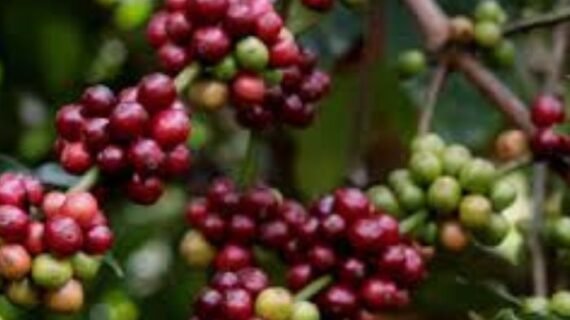
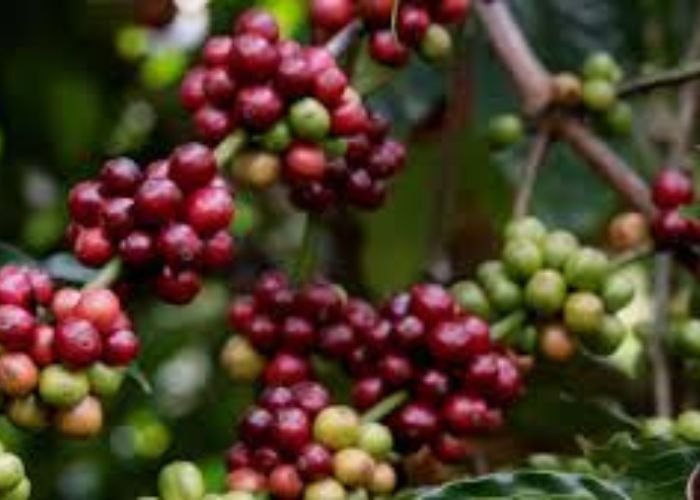
Bali Coffee Plantation or known with popular name Bali Agrotourism, is a place to see various Tropical plantations such as coffee robusta, pineapple, Balinese snake fruite(salak), plain Balinese potatoes, fruit stars, cacao, jack fruit, durian tree and many more, experience to see how to make Balinese coffee in very traditional ways, and taste the fresh of Balinese coffee or ginger tea with green view river valley and also they sell variety of theirs original Balinese coffee products, herb oil and etc and see the civet cat the most expensive coffee maker, wellknown as Luwak, its produce “Coffee Luwak“, and this coffee luwak become the famous coffee with complete taste.
Exploring Bali’s Coffee Plantations: A Journey Through Agrotourism and Luwak Coffee
Bali, an island renowned for its stunning landscapes and vibrant culture, has embraced agrotourism as a notable facet of its tourism industry. This form of tourism enables visitors to engage with the agricultural processes that shape the island’s economy and culture. In recent years, agrotourism in Bali has gained traction, attracting a diverse range of travelers eager to explore and experience the unique aspects of the island’s agricultural practices.
One of the primary appeals of agrotourism in Bali lies in its ability to provide immersive experiences that allow visitors to learn directly from local farmers. Various agricultural experiences are available, offering insight into traditional practices that have been honed over generations. Tourists can partake in activities such as rice planting, fruit harvesting, and, notably, coffee cultivation, which has become a focal point of interest. Bali’s lush landscape is adorned with coffee plantations, and the island has gained international recognition for its production of high-quality coffee, particularly Luwak coffee.
The concept of Luwak coffee, made with beans that have been digested and excreted by the Asian palm civet, has captivated coffee enthusiasts worldwide. Visitors have the opportunity to explore these coffee plantations, gaining a firsthand understanding of the unique processes involved in cultivating and producing this distinctive beverage. This experience not only enhances the appreciation of the product but also supports local communities and sustainable agricultural practices.
Through engaging with Bali’s agrotourism offerings, visitors are immersed in the island’s rich agricultural landscape, fostering a deeper connection with its culture and traditions. As agrotourism continues to evolve, it is clear that Bali’s agricultural sector will play a vital role in shaping the future of its tourism industry.
The Significance of Coffee in Balinese Culture
Coffee holds a pivotal role in Balinese culture, transcending mere consumption to become an integral part of social interactions, traditions, and even local ceremonies. The island’s rich volcanic soil and favorable climate conditions have made it a prime location for coffee cultivation, giving rise to distinct varieties that epitomize the island’s agricultural heritage. Historically, coffee was introduced to Bali in the late 19th century, during the Dutch colonial period. The establishment of plantations not only influenced agricultural practices but also facilitated economic exchange and cultural integration.
In Balinese society, coffee is often associated with hospitality. Sharing a cup of coffee is a customary way to welcome guests, promoting camaraderie and conversation. This ritual embodies the spirit of ‘seva’ or selfless service, which is foundational to Balinese hospitality. As a result, coffee-drinking has evolved into a social event where families and friends gather, enhancing communal bonds and reinforcing social ties. Furthermore, coffee is frequently featured in local ceremonies, where it is offered as a part of traditional food and drink, symbolizing abundance and gratitude.
The coffee culture in Bali has significantly evolved over the decades, adapting to global trends while maintaining its unique identity. The rise of specialty coffee shops and agrotourism has not only introduced a new appreciation for quality coffee but has also provided a platform for local farmers to showcase their products. This convergence of tradition and modernity has encouraged sustainable practices and empowered local communities, ensuring that the significance of coffee in Balinese culture continues to thrive. In contemporary Bali, coffee is more than just a drink; it is a symbol of resilience, creativity, and cultural heritage that enriches the island’s lifestyle.
A Visit to a Bali Coffee Plantation
Visiting a coffee plantation in Bali is an enriching experience that offers a deep dive into the world of coffee cultivation and processing. Upon arrival, visitors are greeted by the lush, green landscapes characterized by rows of coffee trees, which provide a picturesque backdrop for the day’s adventures. The first stage of the tour typically begins with an introduction to the plantation, where guides share insights into the unique varieties of coffee grown in the region, including the renowned Arabica and Robusta beans.
One of the highlights of the visit is the hands-on experience of coffee bean picking. Participants are often invited to join local farmers in selecting ripe coffee cherries directly from the trees. This activity not only allows visitors to appreciate the labor involved in coffee farming but also fosters a connection with the community and its traditions. Following the harvest, guests can observe the post-harvest processing methods used to separate the beans from the cherries and prepare them for drying.
As the tour continues, visitors can witness the roasting process, an essential step that transforms raw coffee beans into the fragrant, dark-shiny morsels known around the world. This part of the experience features the use of traditional roasting equipment, showcasing the skills passed down through generations. The aroma of freshly roasted coffee fills the air, captivating the senses and enhancing the overall experience.
Additionally, visitors have the opportunity to engage with local farmers, who are more than willing to share their knowledge about sustainable farming practices. This aspect of the tour emphasizes the importance of environmentally friendly techniques that help preserve the delicate Balinese ecosystem while ensuring the longevity of coffee production. Overall, a visit to a Bali coffee plantation serves not just as an educational excursion but also as a celebration of the rich agricultural heritage of Bali.
Understanding Luwak Coffee: The Most Expensive Coffee in the World
Luwak coffee, often hailed as the most expensive coffee in the world, is characterized by its unique production method involving civet cats. The process begins with the civet, a small mammal native to Southeast Asia, consuming ripe coffee cherries. As the cherries pass through the animal’s digestive system, the beans undergo a fermentation process that significantly alters their chemical composition, contributing to the flavor profile of the final product.
The beans are collected from the feces of the civet, thoroughly cleaned, and then roasted, resulting in a coffee that is often described as smooth, rich, and with a distinctively pleasant aroma. This extraordinary method of sourcing beans is what sets Luwak coffee apart from traditional coffee, driving its market price to unprecedented heights. Prices can reach upwards of $300 per pound, a reflection not only of the labor-intensive collection process but also of the limited supply of quality beans.
However, the appeal of Luwak coffee is not without controversy. Critics argue that the increased demand has led to unethical practices in coffee farming and animal treatment. Many civets are kept in captivity and subjected to poor living conditions, which raises significant ethical concerns regarding animal welfare. Furthermore, the lax regulation in some regions can result in the availability of counterfeit Luwak coffee, composed of beans that have not undergone the authentic production process.
Despite these challenges, Luwak coffee remains a symbol of luxury and premium quality in the coffee market. Its unique origins and flavor continue to intrigue coffee lovers and tourists alike, establishing a connection between agrotourism and ethical sourcing of one of the world’s most coveted beverages. Understanding the complexities of Luwak coffee not only enhances appreciation for this exceptional drink but also encourages informed discussions surrounding coffee production practices.
Tropical Plantations: A Diversity of Flavors
Bali is renowned for its stunning landscapes, rich culture, and a unique agrotourism experience. While many visitors come to the island to indulge in its famous Luwak coffee, the diverse array of tropical plantations extends far beyond this celebrated beverage. These lush plantations are a testament to Bali’s rich agricultural heritage, showcasing a variety of fruits, spices, and herbs that contribute to the island’s vibrant ecosystem and culinary scene.
Among the most popular fruit crops grown in Bali are tropical delights such as mangoes, papayas, and durians. The island’s warm climate and fertile soil provide the ideal conditions for cultivating these exquisite fruits. Visitors can embark on tours that lead them through the orchards, tasting fresh, juicy produce straight from the trees. Furthermore, Bali is home to an impressive number of organic farms that prioritize sustainable practices, enriching the agrotourism experience while allowing tourists to savor the true flavors of the region.
In addition to fruits, spices play a crucial role in Bali’s agriculture and cuisine. Aromatic plants such as vanilla, cinnamon, and cloves are cultivated on the island, and many plantations offer engaging experiences that allow visitors to learn about the cultivation and processing of these valuable spices. The sensory richness of the plantations enhances the appeal of Balinese agrotourism, as travelers can engage their senses while exploring the diverse flavors and aromas that characterize the island’s agricultural landscape.
Herbs such as lemongrass, ginger, and turmeric are also prominently featured throughout Bali, adding depth and complexity to traditional dishes. Visitors will discover that these tropical plantations not only offer delicious produce but also contribute significantly to the biodiversity of the region. Engaging with these plantations presents a unique opportunity to appreciate the harmony between agriculture and nature, emphasizing the vital role that local farmers play in sustaining Bali’s unique identity.
Coffee Tasting: A Sensory Experience
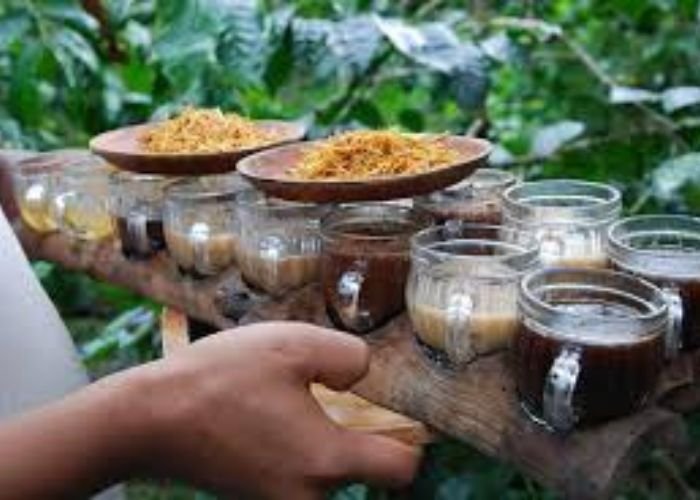
Coffee tasting, or “cupping,” is a fundamental aspect of understanding and appreciating the nuances of Bali’s rich coffee culture. Visitors to the island’s numerous coffee plantations are often provided with the opportunity to participate in guided tastings that illuminate the complexities of different coffee varieties, including the renowned Luwak coffee. This process allows individuals to engage their senses fully, enhancing their overall experience in this tropical paradise.
When embarking on a coffee tasting journey, it is essential to focus on the flavor profiles of each brew. Tasting notes may vary significantly depending on the coffee bean type, the processing methods, and the roasting techniques used. For instance, Bali’s Luwak coffee tends to exhibit a unique combination of earthy, nutty, and sweet flavor tones, distinguishing it from other coffee varieties. During the tasting sessions, visitors are encouraged to observe the aroma, acidity, body, and aftertaste, as these characteristics collectively define each coffee’s identity.
Distinguishing between various coffee beans from Bali also plays a crucial role in achieving a refined palate. Attendees learn to identify subtle distinctions amongst Arabica, Robusta, and other local beans, which are often blended to enhance the depth of flavor. Experts may guide tastings, providing insight into how specific growing conditions, altitude, and even local traditions contribute to the beans’ final taste.
Moreover, the significance of proper brewing methods cannot be overstated in the coffee tasting experience. Through various methods such as pour-over, French press, or traditional Balinese brew, the extraction process significantly influences the flavor profile of the coffee. Understanding these techniques allows enthusiasts to appreciate the full range of potential flavors and aromas that Bali’s exceptional beans have to offer.
In conclusion, engaging in coffee tasting at Bali’s plantations not only allows for an exploration of its unique coffee offerings, particularly Luwak, but also fosters a deeper appreciation for the artistry inherent in each brewing method. Through this sensory journey, visitors can truly immerse themselves in the rich culture that surrounds Balinese coffee production.
The Role of Sustainability in Bali’s Coffee Industry
Bali’s coffee industry plays a significant role in the region’s economy and cultural heritage, but it is increasingly confronting challenges posed by climate change, resource depletion, and environmental degradation. To address these issues, many local farmers are adopting sustainable practices that not only enhance the quality of coffee produced but also promote ecological balance and social equity. The integration of organic farming methods serves as a cornerstone for these sustainability efforts. By avoiding synthetic fertilizers and pesticides, farmers can produce healthier coffee beans while preserving the local ecosystem and biodiversity.
In addition to organic cultivation, the conservation of water resources has become a focal point for many coffee producers in Bali. Traditional methods of irrigation are being supplemented by innovations that increase efficiency and reduce waste. Farmers are incorporating rainwater harvesting systems and using drip irrigation techniques, which allows them to maintain crop yields in the face of fluctuating rainfall patterns. This responsible management of water resources also extends to the processing phase, where sustainable methods are employed to minimize water usage and ensure that wastewater is managed effectively.
Environmental impacts are being mitigated not only through these farming practices but also via agroforestry systems, which integrate coffee cultivation with other vegetation. This approach fosters biodiversity, offers habitat protection for wildlife, and creates a more resilient agricultural system. Visitors to Bali’s coffee plantations can contribute to these sustainable efforts by choosing to support local farmers who prioritize eco-friendly practices. By engaging in responsible tourism that values sustainability, tourists help create a viable market for ethically produced coffee, thus encouraging further investment in environmental conservation and community well-being.
Planning Your Visit: Tips for Exploring Agrotourism in Bali
Bali is a captivating destination known for its beautiful landscapes and rich cultural heritage, but it is also becoming increasingly popular for agrotourism, particularly for those interested in coffee production. When planning your visit to coffee plantations, it is essential to consider several practical aspects that will enhance your experience.
Firstly, selecting the right plantations to visit is crucial. You may wish to focus on areas renowned for their coffee production, such as Kintamani, where you can experience both traditional and modern coffee farming practices. Look for plantations that offer guided tours, tastings, and educational insights into the coffee-making process, particularly plantations where Luwak coffee is produced. Researching reviews and feedback from previous visitors can further assist in making an informed choice.
The timing of your visit plays a significant role in the quality of your experience. The best months to explore coffee plantations generally fall between May and September, during the dry season when conditions are optimal for coffee harvesting. This timing also aligns with various coffee festivals, providing a unique opportunity to engage with local culture while sampling delicious brews.
As for transportation, it is advisable to rent a scooter or hire a driver for the day, as many coffee plantations may be located in more remote areas. This allows for the flexibility to visit multiple locations at your own pace. Additionally, many local guides are familiar with the area and can provide insights that enhance your understanding and appreciation of Balinese coffee culture.
Overall, with precise planning and the right approach, your visit to Bali’s coffee plantations can be an enriching experience that showcases the harmonious blend of nature and tradition in the world of agrotourism.
Conclusion: Embrace the Flavor and Experience of Bali’s Coffee Culture
In exploring Bali’s coffee plantations, travelers are offered more than just a tasting experience; they are introduced to a vibrant culture steeped in rich agricultural traditions. The renowned Luwak coffee, produced through a meticulous process involving the Indonesian civet cat, serves as a prime example of how local practices can elevate a beverage into a symbol of heritage and craftsmanship. This journey not only allows visitors to appreciate the nuances of flavor but also invites them to engage with the communities that cultivate these beans, fostering a deeper connection to the region.
Visiting these plantations provides a unique opportunity to witness firsthand the intricate processes behind coffee cultivation. Travelers can participate in tours that elucidate everything from planting and harvesting to processing and roasting. Such experiences bring to light the hard work and dedication required to produce high-quality coffee, showcasing the significant role that coffee plays in Balinese culture. Engaging with local farmers and artisans highlights the communal aspect of coffee production, reinforcing the notion that each cup signifies the labor of many hands.
Moreover, the exploration of Bali’s coffee culture emphasizes sustainability and the need to support local initiatives. By choosing to visit coffee plantations, tourists not only savor exquisite flavors but also contribute to preserving traditional farming practices and promoting environmental awareness. This engagement fosters an appreciation for the cultural heritage intertwined with Bali’s agriculture, paving the way for a more responsible form of tourism that respects both people and place.
Ultimately, embracing the experience of Bali‘s coffee culture allows travelers to depart with not just memories, but a profound understanding of the island’s agricultural richness. Engaging with the coffee landscape is an invitation to appreciate the complexities involved and to partake in a legacy that flourishes with every sip.