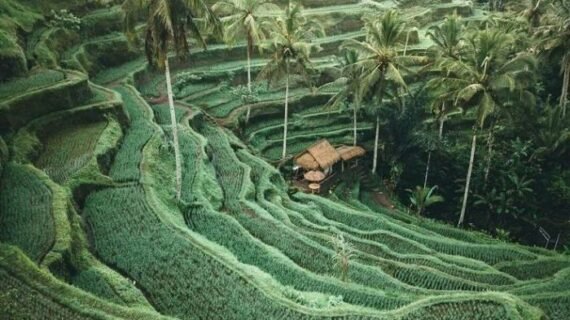
Tegallalang Rice Terrace is one of the most famous and picturesque landscapes in Bali, Indonesia, attracting tourists from around the world. Located just a short drive from Ubud, this stunning rice plantation showcases the traditional Balinese subak system of irrigation, a UNESCO-recognized cultural heritage that dates back to ancient times. The terraces are a testament to the agricultural ingenuity of the local Balinese community, which has maintained sustainable practices for centuries.
The formation of the Tegallalang Rice Terrace is a remarkable example of terraced farming, where the rice fields are ingeniously cultivated on the hillsides. This design not only enhances the aesthetic appeal but also maximizes arable land usage while preventing soil erosion. Visitors to the site can witness the various stages of rice cultivation, from planting to harvesting, which fosters a deeper appreciation for the agricultural practices that define the region.
Culturally, the rice terrace holds significant importance for the Balinese people, as rice is a staple food and deeply intertwined with their customs and rituals. The subak system implements not only water management but also communal irrigation and governance, ensuring that each farmer’s needs are met equitably. This shared stewardship fosters a strong sense of community and cooperation among the residents, reinforcing the cultural ties and traditions of the Balinese way of life.
As a prominent tourist destination, Tegallalang Rice Terrace offers visitors a chance to immerse themselves in the breathtaking beauty of nature while learning about the rich agricultural heritage of Bali. The terraces exemplify the harmonious relationship between nature and culture that is prevalent throughout the island, making it an essential stop for anyone visiting Bali.
Tegalalang Rice Terrace Entrance Fee
As of januari 2025, the entrance fee for the Tegalalang Rice Terrace is Rp 25,000 per person. Additionally, there are separate fees for other nearby attractions, such as Pakudui Tegalalang (Rp 10,000 per person) and Uma Ceking (Rp 50,000 per person). These attractions are adjacent to each other but require separate tickets for entry.
Getting There: Accessibility and Transportation
Reaching Tegallalang Rice Terrace, a picturesque destination in Bali, offers a variety of transportation options catering to the diverse preferences of travelers. For those seeking a budget-friendly approach, public transportation is readily available. Buses and local minibusses, commonly known as “bemos,” operate from major hubs like Ubud to Tegallalang, providing an affordable solution for visitors. While these methods can be economical, they may require navigating schedules and may not run frequently, leading to longer wait times.
A more convenient option is to rent a car or scooter, providing flexibility in exploring the breathtaking surroundings at your own pace. Rental services abound in Ubud and nearby areas, allowing visitors to easily access Tegallalang Rice Terrace. Traffic rules in Bali differ from those in Western countries, so it is essential to remain vigilant while driving. Alternatively, hiring a private driver can mitigate stress, offering the opportunity to relax and take in Bali’s natural beauty without the worries of navigating roads.
Guided tours are another popular choice for accessing Tegallalang. Many tour operators offer packages that include transport, ensuring a seamless experience while educating guests on the cultural and agricultural significance of the rice terraces. This option can enhance the visit as guides provide insights that enrich the experience beyond simply admiring the scenery.
To avoid crowds and fully appreciate the stunning landscape, visiting during the early morning or late afternoon is advisable. These times not only present a quieter atmosphere but also showcase the rice terraces bathed in soft, golden light. Plan your trip accordingly, and make the most of your visit to this remarkable Balinese landmark.
Activities and Attractions at Tegallalang
Tegallalang Rice Terrace, located in Bali, is not only renowned for its stunning views but also offers a wide array of activities that cater to various interests. One of the most popular activities in this picturesque setting is hiking. Visitors can take leisurely strolls along the winding paths that traverse the terraces, allowing them to connect with nature while marveling at the lush greenery and intricate irrigation systems. The terrain is relatively gentle, making it suitable for all ages and fitness levels.
Another enjoyable pursuit is photography. The captivating landscapes of Tegallalang offer countless opportunities to capture breathtaking shots. Photographers are drawn to the vibrant green rice paddies, particularly during sunrise or sunset when the natural light enhances the beauty of the surroundings. The cascading rice fields serve as a perfect backdrop for memorable photographs, attracting both amateur and professional photographers alike.
In addition to these activities, visitors can explore the various local artisans’ stalls that line the paths. These stalls showcase a range of handcrafted items, from traditional Balinese textiles to intricate wood carvings. Shoppers can engage directly with the artisans, learning about their crafts and the cultural significance behind their work. This interaction not only supports the local economy but also enriches the visitor’s experience through cultural exchange.
For those seeking an adrenaline rush, unique attractions such as swings and zip lines have also gained popularity. These activities allow guests to soar above the rice terraces, providing an exhilarating experience along with spectacular views of the landscape below. The swings, in particular, have become famed for their Instagram-worthy moments, making them a must-try for thrill-seekers and photo enthusiasts.
In conclusion, Tegallalang Rice Terrace offers a diverse range of activities and attractions that ensure visitors leave with unforgettable memories. From hiking and photography to exploring artisan stalls and enjoying thrilling adventures, there is something for everyone to enjoy in this stunning destination.
Cultural and Historical Significance
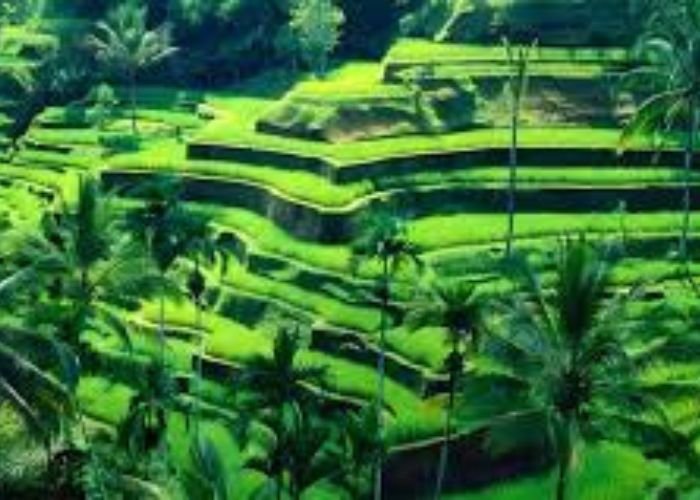
The Tegallalang Rice Terrace is not merely a picturesque landscape; it is a vital component of Bali’s cultural heritage, deeply embedded in the traditional practices of the local farming community. This area reflects centuries of agricultural evolution shaped by both environmental conditions and cultural beliefs. Rice cultivation in Bali is not only an occupation but a way of life that encompasses various rituals and community activities, demonstrating a connection to the land and nature.
Central to the sustainable farming practices in the region is the traditional irrigation system known as Subak. Originating from the 9th century, Subak is a cooperative system employed by farmers to manage the distribution of water from rivers to their rice paddies. This method emphasizes communal participation and shared responsibility, reinforcing social ties among local farmers. The Subak system has been recognized by UNESCO as a World Heritage Site, highlighting its importance in the agricultural and cultural landscape of Bali.
The practices associated with the rice terraces are deeply spiritual, with farmers engaging in various rituals to honor both the rice goddess Dewi Sri and the land’s fertility. These traditions reflect the Balinese philosophy of harmony among people, nature, and the spiritual realm. Furthermore, rice farming in the Tegallalang area is characterized by the terraced structure, which not only facilitates efficient irrigation but also minimizes soil erosion, a testament to the ingenuity of local agricultural practices.
As visitors explore the stunning Tegallalang Rice Terrace, they encounter a living tradition that is as much about community and spirituality as it is about sustainability and environmental stewardship. The cultural and historical significance of this site enhances its appeal, making it an indispensable part of the Bali experience for both tourists and locals alike.
Best Time to Visit Tegallalang Rice Terrace
Tegallalang Rice Terrace, a stunning cultural landscape located in Bali, offers visitors an enchanting experience all year round. However, to make the most of your visit, understanding the best times to go can significantly enhance your experience. The ideal months to explore the rice terraces typically fall between April and October, coinciding with the dry season in Bali. During these months, the weather is generally sunny with minimal rainfall, providing perfect conditions for picturesque photography and leisurely walks through the verdant fields.
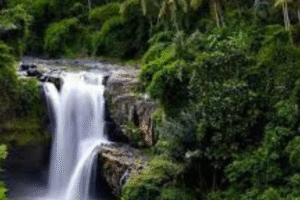
In contrast, the wet season, running from November to March, can bring heavy rains and muddy pathways, which may detract from the beauty of the terraces. Nevertheless, visiting during this period can offer a unique perspective, as the landscapes are lush and the waterfalls that cascade through the region present stunning views. One must also consider crowd levels; peak tourist season typically occurs in July and August, as well as around major holidays. If you prefer a quieter experience, planning your trip for the shoulder months of April, May, September, or October can be advantageous.
Additionally, timing your visit to coincide with the rice harvesting cycle can greatly enhance your experience. The harvesting season usually occurs in late June or early July, allowing visitors to witness the traditional process that sustains the local culture. This is often accompanied by community celebrations and festivals, showcasing Balinese music, dancing, and cuisine. These seasonal events not only provide insight into the daily lives of local farmers but also offer a rich cultural experience, making a visit to Tegallalang Rice Terrace even more memorable.
Local Cuisine: Eating Near Tegallalang
When visiting the iconic Tegallalang Rice Terrace, experiencing the local cuisine is an essential part of the journey. Nestled amidst lush greenery and breathtaking views, the area offers an array of dining options that allow visitors to savor the rich flavors of traditional Balinese cuisine. From humble warungs (small family-owned restaurants) to more upscale dining establishments, there is something to cater to every palate and budget.
One of the must-try dishes in the Tegallalang region is Nasi Campur, a fragrant rice dish accompanied by an assortment of sides such as vegetables, eggs, and meats. Many local restaurants pride themselves on serving authentic versions of this beloved meal, and it can be found in many eateries, showcasing the variety of flavors that characterize Balinese cuisine. Additionally, Sate Lilit, which consists of minced fish marinated with spices and wrapped around bamboo sticks, serves as a flavorful appetizer that reflects the island’s culinary traditions.
In and around Tegallalang, several restaurants and cafes stand out for their quality and ambiance. For example, the Warung Bodag Maliah offers an idyllic setting where patrons can enjoy their meals with stunning rice terrace views. Alternatively, for a unique dining experience, the Karsa Cafe not only serves delicious food but also provides a serene atmosphere perfect for relaxation. The menu often features vegetarian and vegan options, catering to various dietary preferences.
In conclusion, a visit to Tegallalang is not just about stunning landscapes; it also presents an opportunity to delve into the heart of Balinese culinary culture. Whether indulging in traditional dishes or exploring local cafes, visitors will leave with not only unforgettable sights but also delightful flavors that encapsulate Bali’s rich heritage.
Sustainable Tourism Practices at Tegallalang
Tegallalang Rice Terrace stands as a remarkable example of not only stunning natural beauty but also the importance of sustainable tourism in preserving cultural and environmental integrity. As visitors flock to this iconic destination in Bali, it becomes increasingly vital to practice responsible tourism, ensuring that their impact on the locale is minimal while supporting the local community.
One fundamental aspect of sustainable tourism at Tegallalang involves respecting the local culture and agricultural practices. Visitors are encouraged to learn about the traditional subak system, which is a cooperative water management practice used in rice cultivation across Bali. Understanding and appreciating these cultural nuances fosters a connection between tourists and locals, enhancing the experience while promoting cultural preservation.
Moreover, minimizing environmental impact is crucial. Travelers should adhere to designated paths to avoid trampling the rice fields, thereby preventing soil erosion and protecting the ecosystem. Opting for eco-friendly transport options, such as bicycles or walking, contributes to reducing carbon footprints, allowing for a more immersive experience without compromising the environment’s integrity. Additionally, visitors can support local businesses by purchasing handmade crafts and local produce, which can help to stimulate the economy while promoting sustainable agriculture.
It is also essential for visitors to be mindful of their waste. Carrying reusable water bottles, avoiding single-use plastics, and participating in local clean-up initiatives can significantly contribute to maintaining the pristine condition of Tegallalang and its surroundings. Engaging in eco-friendly practices not only enriches the travel experience but also instills a sense of responsibility towards preserving this breathtaking destination for future generations.
By embracing these sustainable tourism practices, visitors to Tegallalang can enjoy its beauty while ensuring that their presence positively impacts the local community and environment.
Tips for Visiting Tegallalang Rice Terrace
Visiting the Tegallalang Rice Terrace offers a unique experience, rich with natural beauty and cultural significance. To make the most of your trip, it is essential to plan accordingly. First and foremost, consider the time of day for your visit. Early mornings or late afternoons are ideal when the lighting for photography is soft, and the terraces are less crowded. This is particularly beneficial for photography enthusiasts aiming to capture the stunning landscapes without distractions.
When it comes to attire, lightweight and breathable clothing is recommended, as Bali’s tropical climate can be quite warm and humid. Comfortable footwear is essential, as exploring the terraces can involve uneven paths and some walking. Flip-flops may not provide the support needed for navigating the terrain, so sturdy sandals or hiking shoes are advisable. Additionally, bring a hat and sunscreen to protect yourself from the sun.
Safety is paramount while visiting Tegallalang Rice Terrace. Be cautious near the edges of the fields, as the slopes can be steep. Always stay on marked paths to protect both yourself and the delicate rice paddies. If you travel with children, closely supervise them to prevent accidents. It is also wise to carry a small first-aid kit for any minor injuries that may occur during your exploration.
Etiquette is an important aspect of visiting the rice terraces. Engage respectfully with local farmers and residents, asking for permission before taking pictures of them or their crops. Moreover, avoid picking any plants or stepping into the fields where you might cause damage. Observing these simple yet significant guidelines ensures that the natural environment and its custodians are respected, enhancing your overall experience at this captivating destination.
Conclusion: Why Tegallalang Rice Terrace Should be on Your Bucket List
Tegallalang Rice Terrace is undeniably a captivating destination that highlights Bali’s rich agricultural heritage and stunning natural beauty. The picturesque landscape, characterized by vibrant green rice paddies cascading down the hillsides, offers an unparalleled view that draws travelers from around the world. Visitors are not only treated to breathtaking scenery but also have the opportunity to engage with traditional Balinese farming practices that have been passed down through generations.
The accessibility of Tegallalang adds to its appeal, making it easy for tourists to incorporate this iconic site into their travel itineraries. Whether you are a photography enthusiast seeking the perfect shot or a nature lover wanting to immerse yourself in the tranquil surroundings, the rice terraces provide an ideal backdrop. The interactive experiences available, from guided walks through the fields to learning about sustainable farming techniques, further enrich your visit and create lasting memories.
Moreover, the blend of cultural significance and natural splendor ensures that Tegallalang Rice Terrace stands out as a unique travel destination. Not only does it serve as a picturesque location for relaxation and exploration, but it also offers a chance to appreciate the hard work and artistry involved in rice farming. The warm hospitality of the local community enhances the overall experience, inviting travelers to engage more deeply with the culture and traditions of Bali.
In conclusion, Tegallalang Rice Terrace is an essential stop for anyone traveling to Bali. Its breathtaking views, rich cultural experiences, and engaging activities make it a must-visit destination. By adding Tegallalang Rice Terrace to your bucket list, you are ensuring an unforgettable experience that captures the essence of Bali’s beauty and heritage.