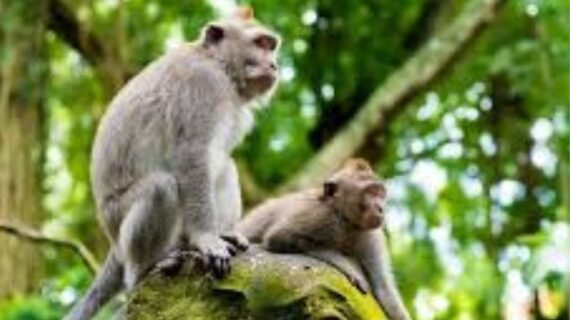
Bali Tour Gate – The Ubud Monkey Forest, also known as the Sacred Monkey Forest Sanctuary, is a captivating destination located in the heart of Ubud, Bali. This lush and verdant sanctuary serves not only as a natural habitat for the playful long-tailed macaques but also as a significant cultural landmark steeped in Balinese heritage. Nestled amidst intricate temples and ancient trees, the forest spans approximately 12.5 hectares, attracting both tourists and researchers interested in the conservation of wildlife and natural ecosystems.
Established in 199 Monkey Forest has become a vital sanctuary for the surrounding monkey population, allowing visitors to observe these fascinating creatures in their natural environment. The sanctuary is home to around 800 macaques, which are known for their playful behavior and social interactions. By promoting the preservation of these monkeys and their habitat, the Ubud Monkey Forest plays an essential role in local conservation efforts, balancing tourism with the need to maintain biodiversity.
The ecological importance of the Ubud Monkey Forest cannot be understated. Besides providing a safe haven for these monkeys, the sanctuary also houses several species of trees, many of which are considered sacred by the local community. Among these are towering banyan trees and longan trees, which add to the forest’s rich biodiversity. Additionally, the Monkey Forest is intertwined with local cultural practices; the temple structures present within its boundaries, such as the Pura Dalem Agung and Pura Beji, are vital sites for spiritual and ceremonial events, linking the natural and mystical realms.
In exploring the Ubud Monkey Forest, visitors not only experience the playful antics of the macaques but also gain insight into the intricate relationship between nature and culture in Bali, emphasizing the importance of safeguarding such treasured environments for future generations.
Ubud Monkey Forest Entrance Fee 2026
The entrance fee for the Ubud Monkey Forest is IDR 100,000 for foreign adults on weekdays and IDR 120,000 on weekends, while children (ages 3-12) pay IDR 80,000 on weekdays and IDR 100,000 on weekends. Fees can vary slightly depending on the day of the week, with different prices for domestic visitors and public holidays. You can purchase tickets at the entrance, and children under 3 are typically free
Additional information
- Children under 3: Free entry
- Payment: The entrance accepts cash, credit, and bank cards.
- Ticket validity: Your ticket provides unlimited access for the entire day
The Beauty of Balinese Nature
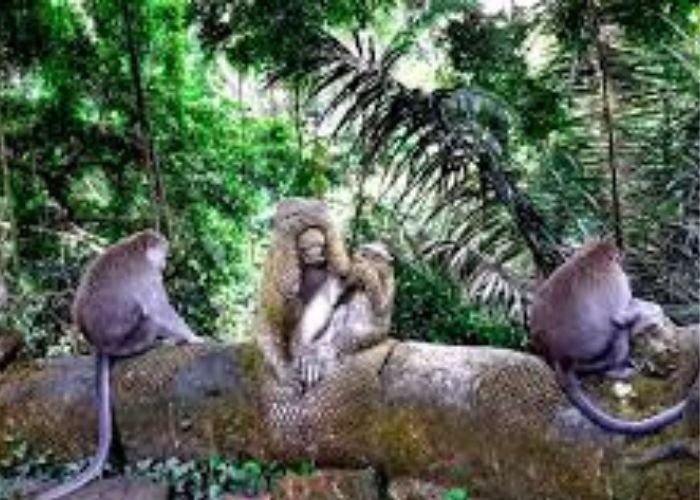
The Ubud Monkey Forest, also known as the Sacred Monkey Forest of Padangtegal, is not just a haven for playful macaques; it is a stunning illustration of Bali’s rich ecological tapestry. Nestled in Ubud, the forest spans approximately 12.5 hectares, showcasing an impressive variety of vegetation and wildlife that make it a remarkable sanctuary. Lush greenery envelops the area, creating a tranquil environment that invites visitors to explore its captivating landscapes.
The forest is primarily comprised of dense primary and secondary rainforest, featuring an array of unique tree species such as the Sacred Fig (Ficus religiosa) and the Banyan tree (Ficus benjamina). These majestic trees not only contribute to the forest’s distinct character but also play a crucial role in maintaining the ecosystem’s balance. The towering canopies provide habitat and shelter for many of the animals that thrive within this sanctuary, including over 300 long-tailed macaque monkeys, which are often the focal point of visitors’ experiences.
In addition to its terrestrial flora, the Ubud Monkey Forest is also home to a diverse range of wildlife beyond the mischievous macaques. Various bird species, butterflies, and insects coexist here, enriching the biodiversity of this sanctuary. The forest’s harmonious coexistence of flora and fauna serves as a poignant reminder of the delicate balance within nature. Each walk through the paths winding through the foliage offers an opportunity to appreciate the intricate relationships that define this vibrant ecosystem.
The beauty of Balinese nature is further accentuated by clear streams and small water bodies that run through the forest, providing sustenance and habitat for various aquatic life. As visitors wander through, they become not only spectators of this mesmerizing landscape but integral participants in the ecological narrative that unfolds within the Ubud Monkey Forest.
The Long-Tailed Macaques: Playful Residents
Ubud Monkey Forest is home to the fascinating long-tailed macaques, scientifically known as Macaca fascicularis. These primates are widely recognized for their agile movements and complex social structures, which play an essential role in maintaining the dynamics of their troops. The long-tailed macaques live in groups, often ranging from 20 to 100 individuals, led by a dominant male. This hierarchy facilitates interactions among members, allowing them to develop intricate relationships through grooming, playing, and vocalizations. Visitors to the forest often find themselves captivated by the playful antics of these monkeys, who relish in the opportunity to interact with their human observers.
The social behavior of long-tailed macaques is notably characterized by their playful nature. Young macaques can frequently be seen engaging in spirited games, climbing trees, and chasing one another, showcasing their energy and inquisitiveness. Their interactions extend beyond their troop mates, as they are known for their curiosity towards humans. However, it is essential for visitors to approach these interactions with caution, as the macaques can exhibit mischievous behavior, especially if food is involved. This attraction makes the Ubud Monkey Forest popular among tourists, who often seek memorable encounters with these intelligent creatures.
Diet-wise, long-tailed macaques are omnivorous, thriving on a diverse range of foods, including fruits, leaves, flowers, and insects. In the forest, it is common for visitors to observe the monkeys foraging for food or stealing snacks from unsuspecting tourists. While this behavior is amusing, it is crucial to maintain a safe distance and avoid feeding them, as human food can lead to health issues for the macaques and affect their natural foraging habits. The long-tailed macaques remain an enthralling highlight of Ubud Monkey Forest, providing an unforgettable experience through their social skills and playful interactions.
Sacred Temples within the Forest
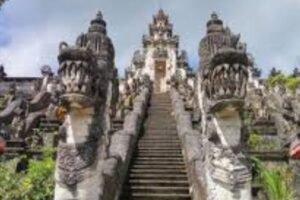
The Ubud Monkey Forest, officially known as the Sacred Monkey Forest of Padangtegal, is not only renowned for its playful long-tailed macaques but also for its rich cultural heritage, exemplified by the presence of several sacred temples. These temples serve as crucial elements of Balinese Hinduism and are intricately linked to the spiritual practices of the local community. Among the most significant temples nestled within the forest is the Pura Dalem Agung, dedicated to the deity of death and the underworld, known as Bhuta Sena. This temple reflects classic Balinese architectural styles, complete with elaborate stone carvings that illustrate the vibrant mythology and beliefs shared by the local populace.
Another notable temple, the Pura Prajapati, plays an important role in the traditional cremation ceremonies of the Balinese people. This site enhances the forest’s spiritual ambiance, providing a tranquil space for rituals that honor the deceased. The use of intricate wooden and stone elements further amplifies the architectural beauty observed throughout the area, showcasing the artistry and devotion present in Balinese temple construction. Visitors can witness the blend of nature and spirituality, as these sacred sites coexist harmoniously with the surrounding environment.
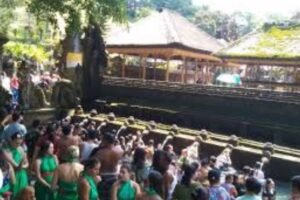
Spiritual practices at these temples are integral to the Balinese way of life, as regular offerings and ceremonies are conducted, reinforcing the community’s connection to their faith. Local priests and devotees often partake in these rituals, which are characterized by the use of offerings made from fruits, flowers, and incense. These acts are not only a testament to devotion but also serve to promote harmony between the community, nature, and the sacred realm. In essence, the temples within the Ubud Monkey Forest are not merely tourist attractions; they are living symbols of a rich spiritual tradition that continues to thrive among the verdant landscapes of Bali.
Ecological Importance and Conservation Efforts
The Ubud Monkey Forest, a renowned sanctuary in Bali, is not only a popular tourist site but also plays a critical role in maintaining ecological balance. Home to over 700 long-tailed macaques, this forest encompasses a diverse range of flora and fauna, contributing to the region’s biodiversity. The presence of these macaques helps in seed dispersal, promoting the growth of native plants and sustaining the forest ecosystem. Moreover, their interactions with the environment create a dynamic habitat that supports various species. The importance of this forest extends beyond its inhabitants; it serves as a vital component in understanding and preserving ecological relationships within the region.
Conserving the Ubud Monkey Forest is essential, particularly in the face of urbanization and habitat loss. This sanctuary, which spans approximately 12.5 hectares, is not only a natural habitat for the macaques but also holds significant cultural and spiritual value, with its ancient temples and lush landscapes. However, various challenges threaten the integrity of this ecosystem, including rapid tourism development, environmental degradation, and conflicts between monkeys and local communities.
To address these issues, conservation efforts have been implemented by the Ubud Monkey Forest management. Education programs aimed at both tourists and locals emphasize sustainable practices and responsible tourism. These initiatives encourage visitors to respect the macaques’ natural behaviors and to avoid feeding them, thereby reducing dependency on human food. Additionally, habitat restoration projects are underway to ensure that the macaques have access to a healthy and thriving environment. Collaboration with local government and NGOs has also become crucial in monitoring and managing the population of macaques while balancing the needs of the community. Through these combined efforts, the ecological importance of Ubud Monkey Forest can be preserved for future generations to appreciate and enjoy.
Visitor Guidelines and Safety Tips
The Ubud Monkey Forest is a renowned sanctuary housing playful macaques and sacred temples, attracting countless visitors each year. To ensure a pleasant experience for both guests and the resident monkeys, adhering to specific visitor guidelines is essential. First and foremost, maintaining a respectful distance from the macaques is crucial. While these primates may seem friendly and curious, they are still wild animals. Avoid making sudden movements, and do not attempt to touch or feed them, as this can lead to aggressive behavior.
When it comes to food, visitors are advised to keep all consumables out of sight and securely stored. The monkeys are adept at stealing food, and attempting to offer snacks can result in unwanted attention. Additionally, be cautious with items such as sunglasses and hats, as the macaques are known to snatch belongings from unsuspecting tourists. If a monkey does take something, it is best to remain calm and avoid confrontation, as aggression can escalate the situation.
Timing your visit can also significantly enhance your experience at the Ubud Monkey Forest. Early mornings or late afternoons tend to be the best times to observe the macaques in their most active state. During these hours, the monkeys are more playful, providing a delightful spectacle for visitors. It is also advisable to check the weather before planning your visit, as heavy rain can lead to fewer monkeys being out and about.
Lastly, make sure to wear appropriate clothing and footwear suitable for walking, as the forest trails can be uneven and slippery. Staying hydrated and applying insect repellent is also recommended. By following these guidelines, visitors can safely enjoy the wonders of the Ubud Monkey Forest, creating memorable encounters with its lively inhabitants while respecting their natural habitat.
Local Culture and Spiritual Connections
The Ubud Monkey Forest is not merely a picturesque sanctuary of playful macaques; it is a vibrant reflection of local Balinese culture and spirituality. This unique ecosystem serves as a profound manifestation of the harmonious relationship between nature, wildlife, and spiritual beliefs that characterizes the island of Bali. The presence of the monkeys is deeply interwoven with the ceremonial practices and everyday lives of the local community, symbolizing both a connection to ancestral traditions and the importance of nature in Balinese philosophy.
Within the Ubud Monkey Forest, three ancient temples—Pura Dalem Agung, Pura Beji, and Pura Prajapati—stand as sacred spaces that illustrate the intertwining of religious practices with the natural environment. Each temple serves as a site of reverence, where locals engage in traditional ceremonies and rituals. The monkeys, regarded as sacred creatures by the Balinese, are seen as guardians of these spiritual sites, and their playful antics are both a source of joy and a reminder of the divine connection between the physical and spiritual realms.
Moreover, these macaques are often viewed as symbols of change and adaptability, traits that resonate deeply within the Balinese culture. This perspective fosters a respectful coexistence between humans and wildlife, emphasizing the belief that nurturing nature is incumbent upon the community. Local beliefs suggest that the monkeys hold not just an ecological role but also a spiritual significance, embodying the duality of light and dark, joy and mischief. Festivals and traditional ceremonies regularly incorporate homage to the monkeys, ensuring that they remain an integral part of both celebratory and somber occasions.
Therefore, the Ubud Monkey Forest stands as a testament to the interplay of cultural identity and religious beliefs, where the presence of the monkeys enhances the spiritual richness of the Balinese way of life. Visitors to this remarkable forest are offered a unique glimpse into how wildlife, culture, and spirituality are intricately connected in this mesmerizing region of Bali.
How to Get to Ubud Monkey Forest
Reaching the Ubud Monkey Forest is a straightforward process, thanks to its central location within Ubud, Bali. Various transportation options cater to different preferences and budgets. One of the most convenient methods is via local taxis or ride-sharing services like Grab. These services offer direct access to the forest and are typically affordable. Utilizing an app can help you avoid language barriers and ensure a smooth journey.
If you are already in Ubud, using a bicycle is a popular option among tourists. Several rental shops throughout the town provide bicycles for a nominal fee, allowing visitors to enjoy a scenic ride through the picturesque streets and lush surroundings of Ubud. This eco-friendly choice not only gets you to the Monkey Forest but also allows for the exploration of nearby attractions at your own pace.
For those who prefer public transportation, local bemos (minivans) operate on set routes within Ubud. They are an economical alternative, offering an authentic experience of local transit. Be sure to research the specific bemo routes that lead to the Monkey Forest, as they can vary. Riding a bemo may also present the opportunity to interact with local residents, providing a richer cultural experience during your journey.
If you opt to drive your own vehicle or rent a scooter, it is crucial to familiarize yourself with the local traffic regulations and driving habits. Parking is available near the entrance of the Ubud Monkey Forest, enabling easy access upon arrival. Remember to secure your belongings and park in designated areas to avoid any inconvenience.
In summary, whether you choose a taxi, bicycle, bemo, or rental vehicle, various transportation options make getting to the Ubud Monkey Forest accessible and enjoyable for all visitors, ensuring a delightful start to your adventure in this enchanting location.
Conclusion: A Unique Destination Awaits
Ubud Monkey Forest stands out as a singular destination that intertwines natural beauty, cultural richness, and spiritual significance. Throughout the blog post, we have explored the captivating environment of the forest, where visitors can observe playful macaques in their natural habitat, creating an enchanting experience. The lush greenery, coupled with intricate temple architecture and sacred sites, enhances the allure of this destination, making it a haven for nature enthusiasts and cultural travelers alike.
The Ubud Monkey Forest offers an exceptional opportunity for visitors to engage with a diverse range of wildlife while appreciating the importance of conservation. The presence of the long-tailed macaques is a reminder of the delicate balance between wildlife and their ecosystem, inviting guests to reflect on their role in safeguarding such environments. Moreover, the forest acts as a sanctuary, not just for the monkeys, but also for visitors seeking connection with nature and spirituality.
Additionally, the rich history and significance of the temples located within the forest further contribute to its charm. The sacred sites, including the Pura Dalem Agung Padangtegal, serve as important cultural landmarks that represent the region’s spiritual practices and traditions. Interaction with the temples allows guests to delve into Bali’s fascinating cultural tapestry, enhancing their overall visit.
In summary, Ubud Monkey Forest is undeniably a must-visit destination for anyone traveling to Bali. Its unique combination of vibrant wildlife, serene landscapes, and historical sites makes it an unforgettable experience. We encourage potential visitors to plan their trip thoughtfully and prepare to immerse themselves in the enchanting world of the Ubud Monkey Forest, where nature and culture harmoniously coexist.