
Bali Tour Gate – Ulun Danu Beratan Temple, an iconic cultural landmark in Bali, Indonesia, serves as a significant demonstration of the island’s rich spiritual heritage.
Nestled on the western shore of Lake Beratan in the Bedugul region, this water temple is dedicated to Dewi Danu, the goddess of water, fertility, and irrigation.
Constructed in the 17th century by the Mengwi Kingdom, Ulun Danu Beratan Temple holds a special place in Balinese Hinduism, illustrating the profound connection between the people, their deities, and the surrounding natural environment.
The temple complex is adorned with stunning architectural features that reflect Balinese artistry, showcasing intricate carvings and elaborately tiered shrines.
Notably, the main shrine, known as ‘Pura Ulun Danu,’ emerges seamlessly from the lake’s surface, creating a picturesque image that captivates the eyes of both locals and tourists alike.
This visual harmony between the temple and its surroundings underlines its role as a site of worship, reinforcing the beliefs surrounding water as a sacred element in Balinese culture.
Historically, Ulun Danu Beratan Temple functioned as a vital irrigation system, providing water supply to the rice fields in the region. This practicality imbues the temple with economic significance, ensuring its relevance beyond mere religious observance.
Visitors to this site not only experience a spiritual journey but also gain insights into how Balinese traditions intertwine with agricultural practices, embodying a holistic approach to nature and sustenance.
In contemporary times, the Ulun Danu Beratan Temple remains a bastion of cultural appreciation, attracting thousands of visitors annually.
This level of interest speaks to its importance as a symbol of Balinese identity, cherished for both its historical value and its spiritual essence.
Understanding the background of this temple provides a crucial foundation for exploring its enduring significance in Balinese life and spirituality.
Historical Significance of the Temple
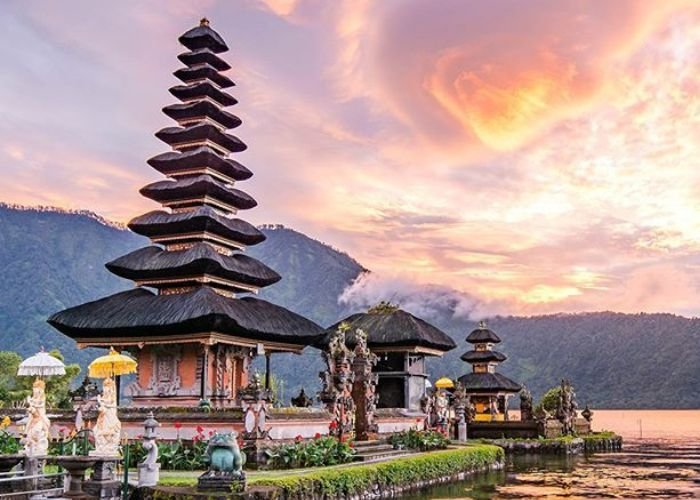
Ulun Danu Beratan Temple, situated on the picturesque shores of Lake Beratan in Bali, holds a prominent place in the island’s cultural and spiritual landscape.
The origins of this sacred site can be traced back to the 17th century, when it was constructed by King Mengwi, the ruler of the Mengwi Kingdom.
It was built to honor Danu, the goddess of water, who plays a crucial role in the agricultural practices of the Balinese people. The temple serves both as a repository of spiritual significance and as a site that embodies the unique blend of Hindu and local beliefs prevalent in Bali.
Over the years, Ulun Danu Beratan Temple has witnessed numerous historical events that shaped its significance. Notably, during the Dutch colonial period in the 19th century, the temple became a focal point for local resistance and cultural preservation.
Balinese spiritual leaders and the community rallied to protect their traditions and sacred sites in the face of external influences, further solidifying the temple’s role as a symbol of resilience and identity for the Balinese people.
The construction of the temple complex illustrates a sophisticated architectural style, characterized by traditional Balinese compounds known as “candi,” which are designed to harmoniously integrate with the natural landscape.
This attention to aesthetics and traditional Balinese architecture not only enhances the beauty of Ulun Danu Beratan Temple but also signifies its importance as a pilgrimage site.
As a cultural treasure, it has retained its relevance through the centuries, continuing to attract both local devotees and international visitors seeking to experience Bali’s rich spiritual heritage.
As a result of its historical significance, Ulun Danu Beratan Temple has been recognized as a vital component of Bali’s cultural identity, ensuring the lake goddess’s legacy endures through continued worship and reverence within the island’s spiritual practices.
Architectural Features of Ulun Danu Beratan
Ulun Danu Beratan Temple is a remarkable example of balinese architecture, harmoniously blending its structures with the surrounding natural beauty.
Situated on the shores of Lake Beratan, this temple complex is not only a site of worship but also a captivating visual experience. One of the prominent features of the temple is the Meru shrines, which are designed to honor the lake goddess, Dewi Danu, as well as the deities associated with Mount Batur and Mount Agung.
These shrines are distinguished by their multi-tiered roofs, a design that adds depth and grandeur to the sacred site.
The Meru shrines, characterized by their distinctive layered roofs, typically range from three to eleven tiers, with each tier symbolizing a higher level of spirituality.
This architectural style serves not only a decorative purpose but also emphasizes the hierarchical nature of the worship it entails, reflecting the balinese belief system.
The intricate carvings and embellishments adorning the shrines showcase the extraordinary craftsmanship of the local artisans, revealing stories and symbols that resonate with the rich cultural heritage of Bali.
In addition to the Meru shrines, the temple complex features various other structures, such as the main hall and smaller shrines that contribute to its aesthetic appeal.
The configuration of the temple buildings incorporates elements of Balinese design, with the use of local materials and techniques that respect the environment.
The overall layout of Ulun Danu Beratan is thoughtfully arranged to create a sense of serenity and contemplation, inviting visitors to engage in spiritual reflection.
The harmonious integration of these architectural features with the lakefront setting enhances the temple’s significance as a place not only of worship but also of natural beauty.
The Goddess Ida Batari Dewi Ulun Danu
Ida Batari Dewi Ulun Danu holds a prominent position within Balinese Hinduism, recognized as the goddess of the lake. Her significance is deeply rooted in the island’s culture, and the Ulun Danu Beratan Temple, situated on the shores of Lake Beratan, serves as a physical tribute to her.
In Balinese cosmology, she embodies the essential qualities of fertility, prosperity, and purification. The reverence for her is evident, as water is a vital element in agricultural practices, rituals, and daily life across Bali.
The goddess is celebrated for her nurturing attributes, acting as a life-giving force for the community. She is often depicted as a serene figure, surrounded by nature, symbolizing fertility and abundance.
The connection between water and life is profound in Balinese beliefs; water is seen not merely as a physical necessity but as a sacred medium that fosters spiritual health and community well-being.
This correlation elevates the goddess to a pivotal role, as she is believed to control the waters that nourish the land and sustain agricultural endeavors, which are the backbone of Balinese society.
Moreover, the worship of Ida Batari Dewi Ulun Danu also transcends the practical aspects of agriculture. Her veneration is integral to various ceremonies, where devotees offer floral offerings and perform prayers for good harvests, prosperity, and spiritual blessings.
The symbolism tied to water underlines its importance in purification rituals and sacred ceremonies, reinforcing the belief that the goddess not only sustains physical life through water but also supports spiritual cleansing and renewal.
Ultimately, the reverence for Ida Batari Dewi Ulun Danu exemplifies the interconnectedness of nature, spirituality, and the sustenance of life within Balinese culture.
The Geographical Importance of the Temple’s Location
Ulun Danu Beratan Temple, located in the Bedugul region of Bali, holds a prominent position on the shores of Lake Beratan, which is one of the island’s significant lakes.
This unique geographical setting not only enhances the temple’s aesthetic charm but also reinforces its spiritual significance. Surrounded by lush green hills and the towering volcanic mountains of Bali, the temple is enveloped in a serene atmosphere that contributes to its reverence among visitors and worshippers alike.
The positioning of Ulun Danu Beratan Temple beside Lake Beratan offers a harmonious relationship between the spiritual and natural worlds.
The lake itself is a vital source of irrigation for the surrounding agricultural lands, providing sustenance to the local community. Therefore, the temple is dedicated to Dewi Danu, the goddess of water, rice, and fertility, capturing the essence of the landscape that sustains the people of Bali.
This interconnection between the temple and its natural surroundings accentuates its role as a center for worship and reflection. The nearby volcanic mountains, particularly Mount Catur, create a dramatic backdrop that adds to the mystical appeal of the temple.
These mountains not only enhance the visual splendor but also play a crucial role in the environmental balance of the region, contributing to the climatic conditions that nourish the lake and the surrounding ecosystems.
As such, the Ulun Danu Beratan Temple stands as a symbol of the harmonious relationship between humanity and nature, celebrated by both locals and tourists.
Visitors often comment on the calming influence of the landscape, underscoring how the geographical aspects of the temple enhance its spiritual ambiance, making it an essential part of the experience while exploring Bali.
Cultural Practices and Rituals at the Temple
Ulun Danu Beratan Temple serves as a significant cultural landmark for the Balinese people, representing their deep-rooted traditions, spirituality, and connection to nature.
Located on the shores of Lake Beratan, this temple is dedicated to the lake goddess, Dewi Danu, and actively hosts numerous rituals and ceremonies that reflect the beliefs of Balinese Hinduism.
Visitors to the temple can observe various cultural practices, each imbued with profound significance and dedication.
Upon entering the temple complex, it is customary for visitors to dress modestly, often donning traditional Balinese attire. This practice sets a respectful tone and acknowledges the sacred space of the temple.
The entrance is frequently adorned with beautiful offerings, known as “canang sari,” which are arranged daily by devotees. These small, intricately designed baskets are filled with flowers, rice, and other symbolic items intended to honor the deities and seek their blessings.
The rituals at Ulun Danu Beratan are notably vibrant, encompassing daily offerings and specific ceremonies such as “mesuwun,” which is a prayer of gratitude to Dewi Danu for sustenance and bountiful harvests.
On special occasions, larger ceremonies take place, attracting both locals and visitors. These events often feature traditional music, dances, and elaborate decorations, creating a vibrant atmosphere that showcases the rich cultural heritage of Bali.
Moreover, the lake itself plays a crucial role in these rituals, as it is believed to be a source of life and purity. Water from Lake Beratan is often used in various ceremonies, further emphasizing the connection between the worshippers and their environment.
By observing these practices, visitors gain valuable insight into the living traditions of Balinese Hinduism, demonstrating the community’s respect for their beliefs and the crucial role of Ulun Danu Beratan Temple in their cultural landscape.
Visiting Ulun Danu Beratan: Tips for Travelers
When planning a visit to Ulun Danu Beratan Temple, it is essential to consider factors that will enhance your experience at this beautiful location. The best time to visit is during the dry season, which typically lasts from April to September.
This period provides clearer skies and more comfortable conditions for exploring the serene surroundings of the lake and temple. Additionally, visiting early in the morning can help you avoid the larger crowds and offer an opportunity to enjoy the tranquil atmosphere.
Ulun Danu Beratan Temple Entrance Fee
The entrance fee to Ulun Danu Beratan Temple is an affordable 75,000 Rupiah. This fee includes access to the temple grounds and surrounding area.
It is advisable to carry cash with you, as credit card facilities may not always be available, particularly at smaller vendors near the site.
Accessibility to Ulun Danu Beratan Temple is relatively straightforward, with well-maintained roads leading from the nearby cities of Denpasar and Ubud.
Public transportation options, including buses and taxis, are also available for those preferring not to drive. The temple is wheelchair accessible, although some areas may present challenges due to uneven surfaces. Proper planning can ensure that all visitors can navigate the site comfortably.
Nearby attractions complement a visit to Ulun Danu Beratan. The picturesque Jatiluwih Rice Terraces, a UNESCO World Heritage Site, are just a short drive away and offer stunning vistas of traditional rice paddies.
Visitors may also explore the Bali Botanic Garden, which houses a diverse range of flora and provides an excellent backdrop for leisurely strolls.
With its breathtaking scenery and cultural significance, Ulun Danu Beratan Temple offers a memorable experience for all travelers to Bali.
Environmental Conservation Efforts Around the Temple
Ulun Danu Beratan Temple, a striking cultural landmark situated on the shores of Lake Beratan in Bali, plays a crucial role in the region’s ecology.
The temple not only represents the spiritual beliefs of the local population but also serves as a focal point for environmental conservation efforts aimed at protecting the delicate ecosystems surrounding the lake.
Local communities and organizations have increasingly recognized the symbiosis between preserving the natural environment and maintaining the cultural heritage exemplified by the temple.
Efforts to safeguard the aquatic ecosystem of Lake Beratan include initiatives aimed at reducing pollution and managing waste effectively. Programs have been implemented to educate local residents on sustainable practices, helping them understand the impact of their actions on the lake’s health.
For instance, regular community clean-up events are organized to remove litter and refuse from the lake and its banks. These grassroots initiatives bolster community involvement and enhance awareness around the significance of conserving the natural environment surrounding Ulun Danu Beratan Temple.
Moreover, local government bodies and non-governmental organizations have undertaken strategic measures to monitor water quality and protect the biodiversity of plant and animal species native to the area.
By conducting regular assessments, these groups can identify potential threats to the lake’s ecosystem, whether from invasive species or pollution.
Collaborative efforts among stakeholders, including tourism operators, have also been essential in promoting responsible tourism practices that minimize ecological footprints.
The active participation of both locals and visitors fosters a deeper appreciation of the natural beauty that surrounds Ulun Danu Beratan Temple.
In summary, the ongoing environmental conservation efforts surrounding Ulun Danu Beratan Temple are vital for preserving the health and beauty of Lake Beratan.
By actively engaging local communities and raising awareness about sustainable practices, these initiatives ensure that both the cultural and environmental heritage of the area are protected for future generations to enjoy.
Conclusion: The Enduring Legacy of Ulun Danu Beratan Temple
To summarize, the Ulun Danu Beratan Temple stands as a profound symbol of Balinese culture and spirituality. Nestled on the tranquil shores of Lake Beratan, the temple is not merely a place of worship; it represents a deep connection between the Balinese people and their environment.
The architecture, reflecting traditional Balinese design, showcases intricate carvings and a harmonious balance with the surrounding landscape, embodying the island’s aesthetic qualities. As a tribute to Dewi Danu, the lake goddess, Ulun Danu Beratan Temple plays a significant role in the spiritual life of the community.
Regular ceremonies and offerings occur, emphasizing its ongoing importance in connecting the people to their beliefs and traditions.
Visitors to the temple not only admire its beauty but also witness its vibrant cultural practices, which have been passed down through generations.
This temple stands as a reminder of the reverence the Balinese hold for nature and their deities, demonstrating a unique blend of spirituality and environmental stewardship.
The allure of Ulun Danu Beratan Temple extends beyond its religious significance. Its serene setting makes it a popular destination for tourists seeking a peaceful retreat amid stunning natural beauty.
Photographers often capture its picturesque reflections in the lake, making it an iconic representation of Bali. Furthermore, engaging in the local customs and traditions offers visitors a more profound appreciation of the Balinese heritage.
Ultimately, Ulun Danu Beratan Temple is a must-visit destination that encapsulates the essence of Bali’s spiritual legacy. Its enduring beauty and significance in both cultural and religious contexts contribute to the temple’s status as an essential part of Bali’s identity.
Embracing such places enhances our understanding and respect for the diverse traditions that shape our world.